FANTA Program Review to Identify Promising Practices for Integration of Family Planning into Food Security and Nutrition Programs
FANTA is conducting a program review with support from USAID's Office of Population and Reproductive Health to identify promising practices for integration of family planning into food security and nutrition programs. The review will primarily focus on USAID-funded development (non-emergency) programs implemented over the past ten years (2003-present).
Learn more about the review
Second Food Aid and Food Security Assessment (FAFSA-2) (2013)
This report is a comprehensive review of the U.S. Agency for International Development Office of Food for Peace (USAID/FFP) Title II development food aid program from FY 2003 to FY 2009. The report focuses on the areas of agriculture and natural resource management; infrastructure; maternal and child health and nutrition; water, sanitation, and hygiene; HIV; and Title II program management. Overall, the results of the FAFSA-2 analysis indicate that Title II development programs can reduce undernutrition in young children, improve a number of important maternal and child health and nutrition outcomes, and increase household access to income and food. The FAFSA-2 identifies approaches and practices that are more likely to contribute to positive food security impacts, examples of approaches and practices that have not worked well, and recommendations for future programs.
Learn more about the FAFSA-2
The Partnership for HIV-Free Survival (PHFS) Launch Meeting Report (2013)
In 2010, the World Health Organization (WHO) published revised guidelines for the prevention of mother-to-child transmission of HIV (PMTCT) (Antiretroviral Drugs for Treating Pregnant Women and Preventing HIV Infection in Infants) and an accompanying Guidelines on HIV and Infant Feeding. Together, WHO and the United States President’s Emergency Plan for AIDS Relief (PEPFAR) conceived of the Partnership for HIV-Free Survival (PHFS) to facilitate and accelerate implementation of these guidelines. The PHFS is owned and led by the ministries of health of six member countries—Kenya, Lesotho, Mozambique, South Africa, Tanzania, and Uganda—and supported by UNICEF, the Institute for Healthcare Improvement (IHI), University Research Corporation (URC) (through the Applying Science to Strengthen and Improve Systems [ASSIST] Project), HEALTHQUAL, and FHI 360 (FANTA).
The PHFS was launched in March 2013 in Pretoria, South Africa. Partnership members spent four days working together to develop the partnership’s concepts and principles and to set common and country-specific goals for implementation of the PHFS. This report summarizes the proceedings of the PHFS launch meeting.
Download the meeting report
The Urban Gardens Program for HIV-Affected Women and Children: A Review and Look to the Future (2013)
Food and livelihood insecurity is an insidious and long-term consequence of HIV, affecting the health, productivity, and assets of families affected by the disease. One intervention implemented to address this complex problem is the Urban Gardens Program for HIV-Affected Women and Children (UGP), funded by the USAID Mission in Ethiopia. The program targeted beneficiaries in 23 urban centers across Ethiopia using two approaches: school gardens and community group gardens. USAID/Ethiopia asked FANTA to conduct a review of this program to assess its acceptability and ownership, evaluate outcomes, and identify options for transitioning and sustaining the program’s successful activities.
Learn more about the review
Integration of Nutrition Indicators into Ghana’s HIV and Tuberculosis Monitoring and Evaluation System: Summary Report (2013)
Since 2010, the Ghana Health Service has been integrating nutrition assessment, counseling, and support (NACS) into routine HIV services. In December 2011, a rapid review of 11 NACS pilot sites in Ghana was conducted to assess strengths, challenges, and opportunities in these sites to inform the scale-up of NACS. One of the key recommendations of the rapid review was the need to integrate nutrition indicators into the routine HIV monitoring and evaluation system. This report provides a summary of FANTA and Ghana Health Service activities that were taken to strengthen efforts in Ghana to integrate nutrition indicators into HIV and tuberculosis monitoring and evaluation systems for effective tracking of progress and decision making at the different levels of service delivery.
Download the report
Ghana Nutrition Advocacy Briefs (2013)
Despite advances in economic growth and improvement in health indicators, Ghana’s rates of undernutrition remain high. FANTA and the Ghana Health Service (GHS) launched an initiative, “Build the Future, Invest in Nutrition Now,” to engage government and other high-level stakeholders in a collaborative nutrition advocacy process to identify, prioritize, and advocate for evidence-based actions to improve nutrition. As part of the launch, FANTA developed a set of advocacy materials to guide discussions during a series of meetings with key stakeholders.
Download the briefs
A Process Evaluation of the Tubaramure Program for Preventing Malnutrition in Children under 2 Approach (PM2A) in Burundi (2013)
The Preventing Malnutrition in Children under 2 Approach (PM2A) is a package of health and nutrition interventions aimed at preventing child undernutrition by simultaneously addressing the essential underlying causes of undernutrition. This report presents the results from an operations research study of the Tubaramure program, a USAID/Food for Peace (FFP) PM2A program being implemented in two provinces in Burundi by a consortium of nongovernmental organizations led by Catholic Relief Services.
Download the report
BMI and BMI-for-Age Look-Up Tables for Children and Adolescents 5–18 Years of Age and BMI Look-Up Tables for Non-Pregnant, Non-Lactating Adults ≥ 19 Years of Age, Revised January 2013
These tables are a quick reference for health care providers to use to help determine the nutritional status of children over 5 years of age; adolescents; and non‑pregnant, non‑lactating adults. Practice exercises are available to assist health care providers in using the tables. The tables are available in English, French, Spanish, and Portuguese.
Originally published in 2012, a new version of the tool is available with corrected look-up tables.
Download the new version of the tool
Semi-Quantitative Evaluation of Access and Coverage (SQUEAC)/Simplified Lot Quality Assurance Sampling Evaluation of Access and Coverage (SLEAC) Technical Reference (2012)
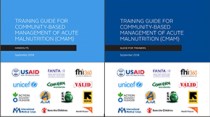
FANTA, in collaboration with Valid International, Action Against Hunger, Concern Worldwide, Tufts University, and Brixton Health, has developed a technical reference guide for two new low-resource coverage assessment methods for evaluating access and coverage of Community-Based Management of Acute Malnutrition (CMAM) and other selective feeding programs. The first method—Semi-Quantitative Evaluation of Access and Coverage (SQUEAC)—combines routine program monitoring data, an array of qualitative information, and small-sample quantitative surveys. This combination is used to identify key issues affecting timely presentation at a clinic program uptake and provides an estimate of the level of program coverage achieved. The second method—Simplified Lot Quality Assurance Sampling Evaluation of Access and Coverage (SLEAC)—is a small-sample quantitative method that can be used to map and estimate coverage over large areas.
Learn more about the technical reference guide on SQUEAC and SLEAC
Report of Formative Research Conducted in Alta Verapaz, Guatemala, to Help Inform the Health-Strengthening Activities and the Social and Behavior Change Communication Strategy That Will Be Implemented through the Mercy Corps PM2A Program – PROCOMIDA (2012)
This report details the results of the formative research conducted in collaboration with Mercy Corps on its Preventing Malnutrition in Children under 2 Approach (PM2A) program—Programa Comunitario Materno Infantil de Diversificación Alimentaria (PROCOMIDA) (Maternal and Child Community Food Diversification Program). The inclusion of formative research in the design phase of a program aims to assess the local situation to develop program activities according to the local needs, beliefs, and perceptions to facilitate maximum impact.
Learn more about the report
FANTA Technical Note No. 13 (2012)
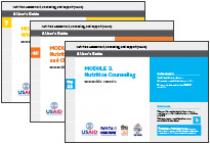
Defining Nutrition Assessment, Counseling, and Support (NACS)
FANTA Technical Note No. 13, Defining Nutrition Assessment, Counseling, and Support (NACS), provides an overview of the components of the NACS (nutrition assessment, counseling, and support) approach. NACS aims to improve the nutritional status of individuals and populations by integrating nutrition into policies, programs, and health service delivery infrastructure. The NACS approach strengthens the capacity of facility- and community-based health care providers to deliver nutrition-specific services while linking clients to nutrition-sensitive interventions.
Download the technical note
Investing in Nutrition Now: A Smart Start for Our Children, Our Future. Estimates of Benefits and Costs of a Comprehensive Program for Nutrition in Bangladesh, 2011–2021
PROFILES and Nutrition Costing Technical Report (2012)
This report presents the results of a consultative and consensus-building process and seeks to provide a better understanding of the value of investing in nutrition in Bangladesh and the level of investment required to improve nutrition as a means of achieving the Millennium Development Goals and Bangladesh Vision 2021 goals. For the period 2011 to 2021, this report presents, first, projections of the benefits of investing in nutrition in terms of gains in development outcomes and, second, the cost of providing maternal and child nutrition services at scale nationally.
Learn more about the report
Strengthening and Evaluating the Preventing Malnutrition in Children under 2 Approach (PM2A) in Burundi: Baseline Report (2012)
This report presents the findings from the baseline survey for the impact evaluation of the Tubaramure program, a Preventing Malnutrition in Children under 2 Approach (PM2A) program implemented in eastern Burundi. Tubaramure, a United States Agency for International Development (USAID) Title II development food aid program implemented by a consortium of nongovernmental organizations (NGOs) led by Catholic Relief Services (CRS), has three core components: distribution of family and individual food rations; required participation of beneficiaries in a behavior change communication (BCC) strategy focused on improving health- and nutrition-related behaviors; and required use of preventive health services for pregnant and lactating women and children under 2 years of age.
Read more about the findings
Nutrition Advocacy Training: Strengthening Advocacy Capacity to Scale Up Nutrition Investments and Outcomes in Uganda (2012)
FANTA, in partnership with the Uganda PROFILES technical working group, developed a set of nutrition advocacy training materials to complement the Uganda Nutrition Action Plan 2010–2016.
This training aims to empower participants with advocacy and networking skills for improved nutrition outcomes at regional, district, and community levels. The training focuses on increasing skills that are needed to improve implementation of nutrition interventions at community, hospital, and district local government levels. At the end of the training, participants will understand the dynamics of effective advocacy, be able to identify key decisionmakers—and their influencers—through the planning process at the district level, develop appropriate (targeted) advocacy messages, form alliances to effectively communicate such messages, and follow-up/monitor them to ensure action for nutrition improvement.
Download the materials
Testing the Growth Promoting Effect of Long-Term Complementary Feeding of Infants with a High-Energy, Micronutrient Fortified Spread (2012)
The low nutrient and energy content of complementary foods in low-income countries has been associated with growth faltering, increased morbidity, and delayed motor milestone acquisition. Complementation of diet in infancy and early childhood with lipid-based nutrient supplements (LNS) that have high nutrient and energy density has been suggested to improve growth and might also reduce morbidity. FANTA conducted a trial in rural Malawi to compare the incidence and prevalence of very severe linear growth failure and symptoms of common childhood illnesses among infants receiving dietary supplementation with milk-LNS, soy-LNS, a corn-soy blend (CSB), or nothing.
Read more about the study
Getting the Knack of NACS: Highlights from the State of the Art (SOTA) Meeting on Nutrition Assessment, Counseling and Support (NACS) (2012)
Recognizing the importance that food and nutrition interventions play in the global response to the HIV pandemic, many countries have integrated food and nutrition components into their national HIV services and programs. Nutrition assessment, counseling, and support (NACS) is an approach for integrating nutrition care into existing health care services. In February 2012, CORE Group and partners hosted “Getting the Knack of NACS,” a two-day state-of-the-art (SOTA) meeting aimed at taking stock of progress since the 2010 Jinga, Uganda NACS meeting, examining the evidence base to date and further advancing the SOTA on NACS in the context of HIV and health care more broadly. The meeting report Getting the Knack of NACS: Highlights from the State of the Art Meeting on Nutrition Assessment, Counseling and Support (NACS) gives an excellent overview of NACS and results of the meeting.
Read the report on the CORE Group website
Clinical Trial Evaluating the Need for Routine Antibiotics as Part of the Outpatient Management of Severe Acute Malnutrition (2012)
FANTA undertook a clinical trial comparing nutritional recovery and mortality outcomes in children with severe acute malnutrition (SAM) receiving 1 week of amoxicillin, cefdinir, or placebo, in addition to usual ready-to-use-therapeutic food therapy. This report documents the outcomes of the trial, which clearly showed the benefit of using antibiotics in the outpatient treatment of SAM without medical complications.
Read more about the study
Household Food Insecurity and Nutritional Status of Women of Reproductive Age and Children under 5 Years of Age in Five Departments of the Western Highlands of Guatemala: An Analysis of Data from the National Maternal-Infant Health Survey 2008–09 of Guatemala (2012)
In 2008–2009, a nationally representative reproductive health survey, the National Maternal-Infant Health Survey (ENSMI), was conducted in Guatemala, and, for the first time, a food-security module was included. As the ENSMI survey also collected nutritional data on women of reproductive age and children under 5 years of age, including anthropometric measures (height and weight) and hemoglobin concentration, the household food security data could additionally be analyzed in relation to nutritional indicators among these groups. Using the data from the ENSMI, this report describes the levels of household food security in the Western Highlands of Guatemala; describes the household characteristics as well as the characteristics of female respondents and their children that are associated with household food security; and explores the relationships between household food security and nutritional outcomes in women of reproductive age and children under 5 years of age in this same region.
Read the report
Acceptability of Lipid-Based Nutrient Supplements and Micronutrient Powders among Women and Children in Bangladesh (2012)
FANTA and partners University of California-Davis; the International Centre for Diarrhoeal Disease Research, Bangladesh; and the World Mission Prayer League (LAMB Hospital) conducted an assessment of the acceptability of lipid-based nutrient supplements (LNS) and micronutrient powders (MNP) among pregnant and lactating women and infants and young children in Bangladesh. Two different flavored LNS products, and one MNP (for infants and young children only) were tested for each group through a 2-day test feeding trial and a 2-week take-home trial. Focus groups were held with participants and community health program staff and volunteers to discuss their preferences for the LNS and MNP and to get feedback about their perceptions of malnutrition and nutrient supplements. Results showed that all tested supplements were acceptable in terms of both the amount of the test meal consumed and the rankings of overall acceptability. The home-use trials and focus group discussion data confirmed acceptability and indicated that sharing of supplements with others was uncommon.
Read more about the study
ProNUT HIV Stakeholder Consultation Report 2011 (2012)
In October 2011, FANTA assumed responsibility for moderating the ProNUT HIV e-forum, part of ProNUTRITION, a USAID-funded interactive, online information resource that supports health care providers, community health workers, policy makers, and program managers with current, relevant, and practical knowledge and tools for decision making in the context of nutrition and HIV and related areas. To ensure that ProNUT was meeting its goals, FANTA consulted with ProNUT stakeholders by conducting a user survey to gather data on defining the direction of the e-forum and on improving ownership and participation. This report discusses findings from the survey and makes some recommendations on how to make ProNUT more accessible and more useful.
Read the report
American Journal of Clinical Nutrition, January 2012
Study on New Corn-Soy Blend (CSB++) for Treatment of Moderate Acute Malnutrition among Children in Malawi
It’s estimated that 35 million children suffer from moderate acute malnutrition (MAM) worldwide. In response to a need for an alternative, effective and affordable supplementary food for children with MAM, the World Food Programme developed a new corn-soy blend recipe fortified with oil and dry skim milk called “CSB++”. In a recent FANTA study in Malawi, a locally produced CSB++ was compared to both a locally produced soy ready-to-use supplementary food (RUSF) and an imported soy/whey RUSF for a group of children aged 6–59 months with MAM. Although children who received CSB++ required 2 days longer to recover and gained slightly less weight than the children receiving the RUSFs did, the recovery rate for the tested CSB++ was similar to that of the soy RUSF and the soy/whey RUSF. This study has been published in the American Journal of Clinical Nutrition and is available at no cost by using the following link to the online article.
Read the e-print of the article
Government of Sudan CMAM Training Course on Inpatient Management of Severe Acute Malnutrition: Training Materials (2011)
FANTA, in collaboration with national partners in Sudan, adapted and built on the World Health Organisation (WHO)'s 1999 publication Management of severe malnutrition: A manual for physicians and other senior health workers, WHO's 2002 Training course on the management of severe malnutrition, the 2009 Government of Sudan Community-Based Management of Severe Acute Malnutrition manual, and other materials to develop training materials for inpatient management of severe acute malnutrition (SAM) designed for physicians, nurses, and nutritionists in hospitals in Sudan. While the training course focuses on inpatient care, the training materials are compatible with the Community-Based Management of Acute Malnutrition (CMAM) approach and the Sudan context.
Learn more about training materials
Uganda Nutrition Action Plan 2011–2016
The Government of Uganda has developed a 5‑year Uganda Nutrition Action Plan (UNAP), a framework for addressing the country’s nutrition issues. The goal of this plan is to improve the nutrition status of all Ugandans, with emphasis on women of reproductive age, young children, and infants. The plan is intended to reduce the magnitude of malnutrition in Uganda and its impact on the individual, the household, the community, and the nation at large. The government also produced a short document targeted at district- and lower-level leaders to raise awareness of the nutrition situation in Uganda and to introduce the UNAP.
Learn more about Uganda's Nutrition Action Plan
New USAID Global Health e‑Learning Course on Nutrition Published
Inadequate maternal and child nutrition is the underlying cause of 3.5 million deaths every year and 35
percent of the disease burden for children under 5 years of age. Universal coverage of proven nutrition-related interventions could reduce overall mortality of children under 3 by 25 percent. This e-learning course, the first of several planned on nutrition, discusses the basic
concepts of good nutrition and common nutritional deficiencies, the magnitude of
malnutrition in different populations, vulnerable groups and the causes of undernutrition,
and key indicators and ways of measuring them. It also outlines the major population-based
interventions to improve nutritional status.
The course, authored by FANTA and produced by JHUCCP, is available through the USAID Global Health e-Learning Center website. All courses are available free to anyone interested, however, registration is required.
Go to the USAID Global Health e-Learning Center website
This project web site is made possible through
the support provided by the U.S. Agency for International Development
(USAID) under terms of the cooperative agreement AID-OAA-A-12-00005
awarded to FHI 360. The information
provided on this web site is not official U.S. Government information
and does not represent the views or positions of USAID or the U.S.
Government.

|